

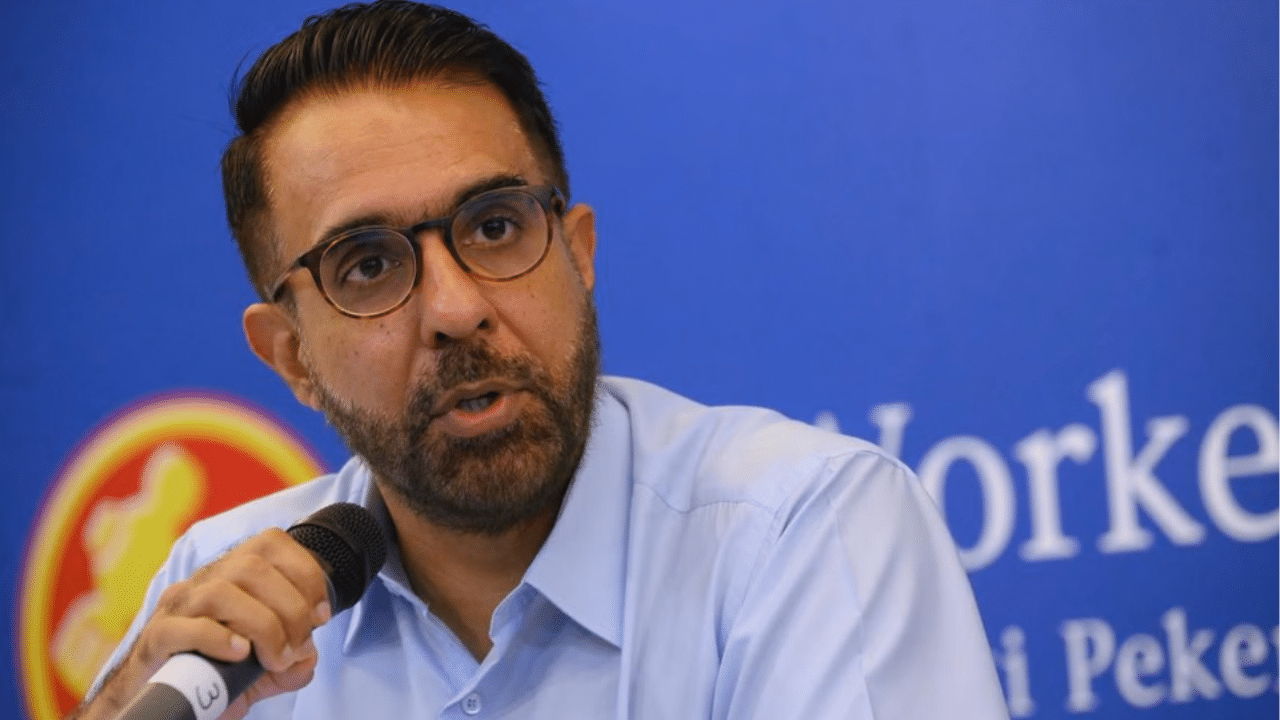
In a recent press conference, Workers’ Party (WP) chief Pritam Singh highlighted the challenging nature of the decision-making process when it comes to revealing the party’s strategies for the upcoming General Election in 2025. Singh emphasised, “We don’t want to get too far ahead of ourselves,” expressing the party’s cautious approach to determining the best prospects for success. The WP, being a “price-taker, not price-setter,” especially with electoral boundary revisions and candidate deployments, maintains a reserved stance in disclosing their electoral plans.
Singh acknowledged the importance of voters’ understanding of the party’s fundamental principles and commitment to serving both the constituency and Parliament. He mentioned, “We know what the party stands for… All we ask is just give us a committed individual who will serve the constituency well.” This sentiment underscores the WP’s focus on selecting candidates based on their dedication and ability to represent the party’s values effectively.
The WP’s confidentiality regarding their election deployments aligns with the strategy adopted by the People’s Action Party (PAP), both keeping their cards close to their chests in key constituencies like East Coast GRC and Punggol GRC. Singh’s response to inquiries about specific candidates, such as Kenneth Foo and Ang Boon Yaw in East Coast GRC or Paris V. Parameswari in Punggol GRC, maintained the party’s discreet approach to revealing their lineup.
Furthermore, WP chair Sylvia Lim emphasised the party’s focus on utilising its town council management experience as a cornerstone for their expected campaign in 2025. Having successfully managed Aljunied GRC for over a decade, the WP aims to leverage this experience and assure residents of their capability to run town councils effectively. Lim highlighted the party’s commitment to providing a parliamentary check on the government through independent actions and unique perspectives brought to discussions and voting processes.
Addressing the issue of opposition unity, Singh expressed his belief that the WP’s internal development should take precedence, indicating a shift in focus towards building internal cohesiveness rather than addressing external calls for opposition collaboration. He emphasised the complexity of opposition politics and the challenges posed by varying stages of evolution among opposition parties while emphasising the WP’s commitment to its plans and strategies.