
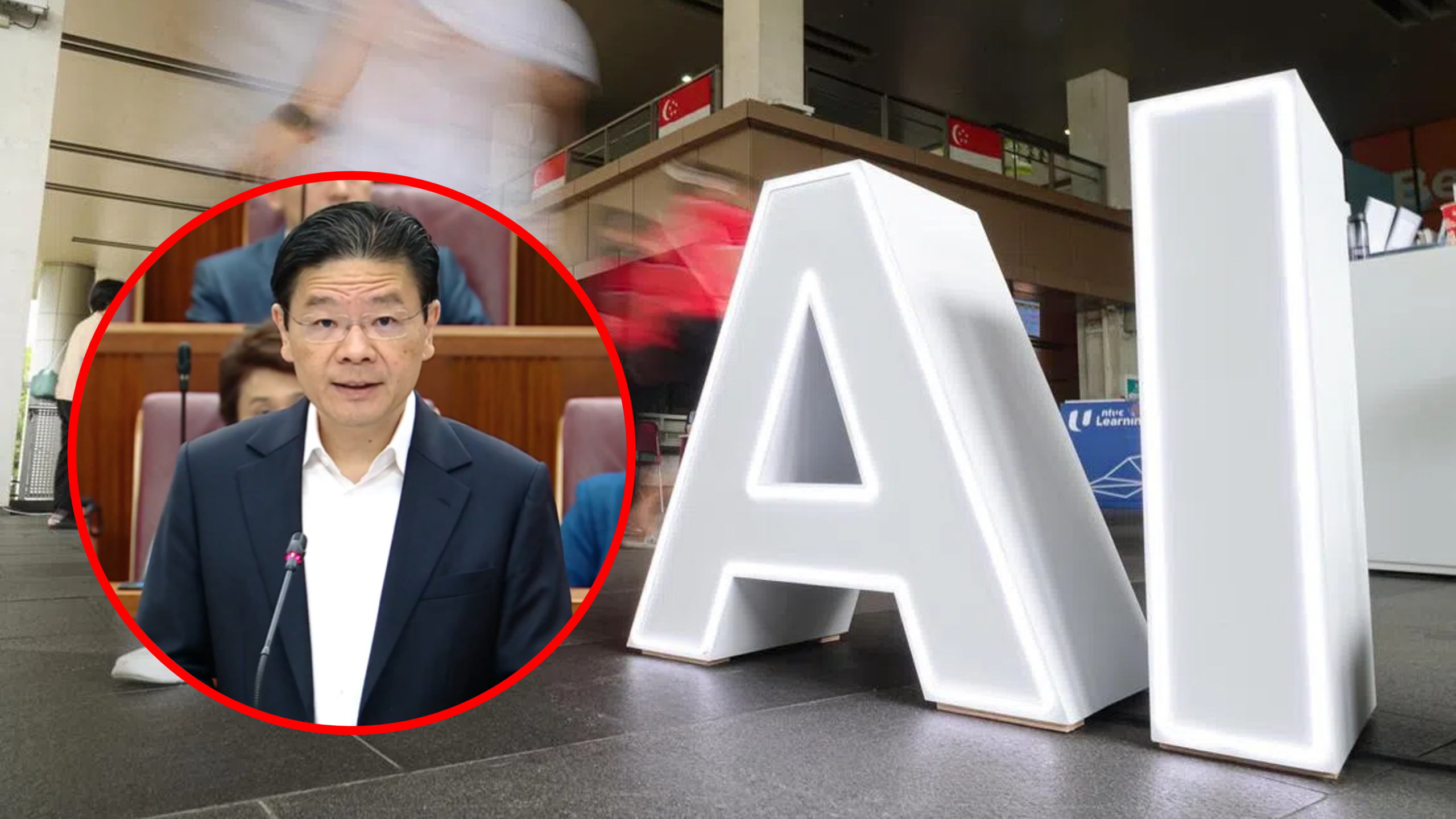
Prime Minister Lawrence Wong has delivered his Budget 2026 speech, the first of the new term of government, outlining measures to help Singaporeans cope with cost pressures, prepare for artificial intelligence-driven changes, and support workers, families and businesses through the next phase of economic transformation.
In case you don’t have the time to sit through the full speech, here are nine key takeaways to know.
-
Workers will not be left behind as AI reshapes jobs
As Singapore pushes ahead with artificial intelligence, PM Wong stressed that workers will not be left to navigate the changes alone. He said the Government will equip Singaporeans with new skills, help them move into new roles, and support them in using AI to work more productively.
Where jobs are disrupted, transitions will be managed carefully, with the Government working closely with the National Trades Union Congress (NTUC) and unions to help workers move into new opportunities. PM Wong added that any Singaporean who is willing to adapt and continue learning will be able to secure stable employment and earn a good living in an AI-driven economy.
To translate this support into practical help on the ground, NTUC will launch a new initiative to address job security concerns arising from AI disruption at the NTUC Career Festival 2026.
The two-day festival, held from 13 to 14 February 2026 at Sands Expo and Convention Centre, will bring together workers, employers and NTUC’s partners to prepare Singapore’s workforce for an AI-driven future.
NTUC Career Festival 2026: AI-READY SG
📍 Sands Expo & Convention Centre, Halls A & B
🗓 13 to 14 February 2026
🔗 Register here!
Jobseekers can explore thousands of job opportunities across sectors and experience levels, access career coaching and skills resources, and pick up actionable tips on future-ready skills and career moves. Employers can also tap on support for business transformation and workforce development.
-
Six months of free premium AI tools for selected course takers
Singaporeans who enrol in selected artificial intelligence courses will receive six months of free access to premium AI tools.
PM Wong said many advanced AI tools are usually locked behind paid subscriptions, making it harder for workers to put new skills into practice. The initiative aims to help Singaporeans turn classroom learning into hands-on experience.
The Government will also redesign the MySkillsFuture portal to provide clearer AI learning pathways, making it easier for Singaporeans to identify courses that match their job needs and proficiency levels.
-
Eligible Singaporeans will get S$200 to S$400 in cash
To help ease everyday cost pressures, eligible Singaporean adults will receive between S$200 and S$400 under the Cost-of-Living Special Payment.
This applies to those earning up to S$100,000 in assessable income and who do not own more than one property. While inflation has eased, PM Wong said many Singaporeans remain anxious about rising expenses, and the Government will continue providing support for as long as it is needed.
-
More U-Save rebates and S$500 CDC vouchers coming
On top of the cash payout, eligible HDB households will receive up to S$570 in U-Save utilities rebates this financial year, about 1.5 times the usual amount.
All Singaporean households will also receive S$500 in CDC vouchers in January 2027. As with previous rounds, half can be used at participating supermarkets, while the other half can be spent at neighbourhood merchants and hawkers.
-
Another S$500 in Child LifeSG credits for families
Families with children aged 12 and below will receive an additional S$500 in Child LifeSG credits, on top of the S$500 given out last year.
The credits can be used both online and in stores for daily expenses such as groceries, pharmacy items, utilities and transport, helping parents manage the cost of raising a family.
-
Stronger support for lower-wage workers
From 2026, the Local Qualifying Salary will be raised from $1,600 to $1,800, setting a higher minimum pay for full-time local workers in firms that hire foreign workers.
Progressive Wage Credit Scheme co-funding will increase from 20 per cent to 30 per cent and be extended to 2028. From 2027, firms must raise wages by at least $200, up from $100, to qualify. Workfare Skills Support will also be enhanced, with higher hourly allowances for workers who upgrade their skills.
-
Businesses to get a 40 per cent corporate income tax rebate
To help firms cope with cost pressures, businesses will receive a 40 per cent corporate income tax rebate for the Year of Assessment 2026.
Every active company that hired at least one local worker will receive a minimum benefit of S$1,500, capped at S$30,000 per firm. The move is meant to provide short-term relief while companies continue restructuring and transforming.
-
Higher salary rules for EP and S Pass holders
As local wages rise, Singapore will tighten salary requirements for foreign workers to maintain quality and protect the local workforce.
From January 2027, the minimum salary for new Employment Pass holders will increase to S$6,000, or S$6,600 for those in financial services. S Pass minimum pay will rise to S$3,600, or S$4,000 for financial services.
These changes will apply to renewal applications a year later, in 2028, to give businesses more time to adjust.
-
Taxes on Tobacco products to increase by 20 per cent more from Feb 12
Smokers will pay more for tobacco products following a 20 per cent increase in tobacco excise duty across all such products, which took effect from Feb 12.
PM Wong said the move is meant to discourage tobacco consumption. Revenue from tobacco duties has exceeded S$1 billion each year from 2022 to 2024, with S$1.11 billion collected in 2024, S$1.02 billion in 2023 and S$1.11 billion in 2022.
The previous tobacco tax hike in 2023 was 15 per cent, and was expected to raise about S$100 million more each year.