

Getting older shouldn’t mean getting fewer chances at work, but for many seniors, that’s still the reality. That is why the new Workplace Fairness (Dispute Resolution) Bill aims to give workers, especially senior ones, a fairer and clearer way to seek help if they face discrimination.
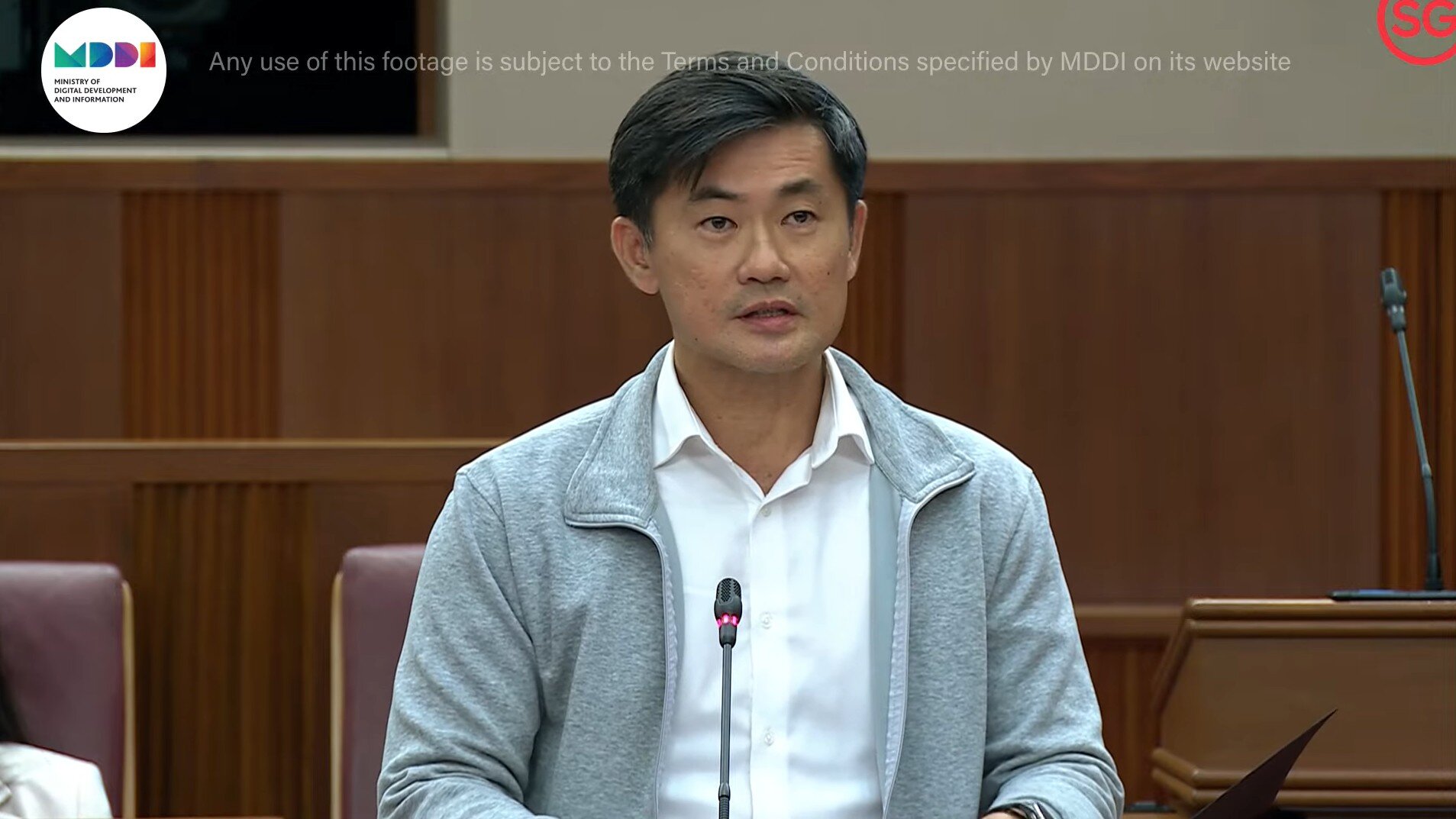
Speaking in Parliament, NTUC Deputy Secretary-General Desmond Tan said ageism is still a real issue in Singapore. He has heard of older workers being left out of training or promotions and even being the first to go when companies downsize.
“It is therefore vital to provide a trusted and accessible avenue for redress, giving them confidence and dignity at work,” he said.
Mr Tan said the new Bill comes at the right time as Singapore is expected to become a super-aged society by 2026, with more than one in five citizens aged 65 and above. “For senior workers, discrimination often compounds existing anxieties including their job security, re-employment or skills relevance,” he said.
He also noted that other countries have faced costly legal issues over age discrimination. “These cases show how age discrimination, if left unaddressed, can lead to costly legal battles and a fractured workplace culture,” he said.
Unions play a key role
Mr Tan said NTUC and its unions are here to help members who face workplace disputes. “As the Executive Secretary of SISEU, I see our Union Leaders and Industrial Relations Officers working tirelessly to support our members,” he said.
Last year, SISEU handled over 100 individual grievance cases, and most were settled through mediation. He shared one case where a PME in his 40s was terminated without explanation. “Through union mediation, he secured approximately $55,000 in compensation, more than if he had escalated to the Employment Claims Tribunals,” he said.
He also spoke about a company that asked older workers nearing retirement to resign voluntarily or risk losing medical benefits. “With union intervention, the company eventually recognised the violation and took corrective action,” he said.
Mr Tan quoted Mr Lee Kuan Yew, saying,
“Self-respect is what our trade unions have and will give to our workers, that protection for a man’s right to his own dignity.”
This Bill puts that principle into action by giving older workers stronger protection against unfair treatment and hidden forms of bias. It also makes it easier for unions like NTUC to step in, help workers settle disputes early, and make sure they are treated with respect.
Fairness in the age of AI
Mr Tan warned that bias can also appear in modern hiring tools. “Automated filters can unintentionally screen out older applicants if algorithms are trained on biased data,” he said.
He said NTUC wants “stronger guidance and governance standards for AI-powered HR systems to ensure that technology promotes fairness, not perpetuate hidden discrimination.”
Keep laws updated
Mr Tan said the Government should keep reviewing the law to make sure it stays relevant. “The Government should actively collate data and conduct regular review of the legislation in collaboration with tripartite partners,” he said.
He added that the Ministry could consider expanding the Employment Claims Tribunal limit for other workplace disputes if the new system works well.
Concluding his speech, Mr Tan said the Bill gives senior workers stronger protection and better access to union support. “Beyond legal protections, we must build workplace cultures that respect and empower workers of all ages, where experience is seen as an asset, not a liability,” he said.