
The Ministry of Manpower (MOM) has shared its addendum to the President’s Address, setting out how Singapore will prepare workers for the future of work and ensure fairer, safer, and more inclusive workplaces.
Preparing Workers for the AI Future
MOM will boost AI literacy and adoption through the Economic Strategy Review and National AI Strategy. It will also roll out the Career Health SG initiative under SkillsFuture to help workers track their career health, plan pathways, and access training and job opportunities.
These plans build on NTUC’s efforts in training and upskilling. Through Company Training Committees (CTCs), NTUC has partnered with employers to design training roadmaps, enabling workers to grow with their companies rather than being left behind.
So far, nearly 10,000 workers from over 500 companies, including Professionals, Managers and Executives (PMEs), have benefited from NTUC CTC Grant projects. On average, workers enjoyed a 5 per cent wage increase above their annual increment, supported by structured career plans and skills allowances.
One example is SBS Transit, which tapped the CTC Grant to implement an automated Tyre Management System (TMS).
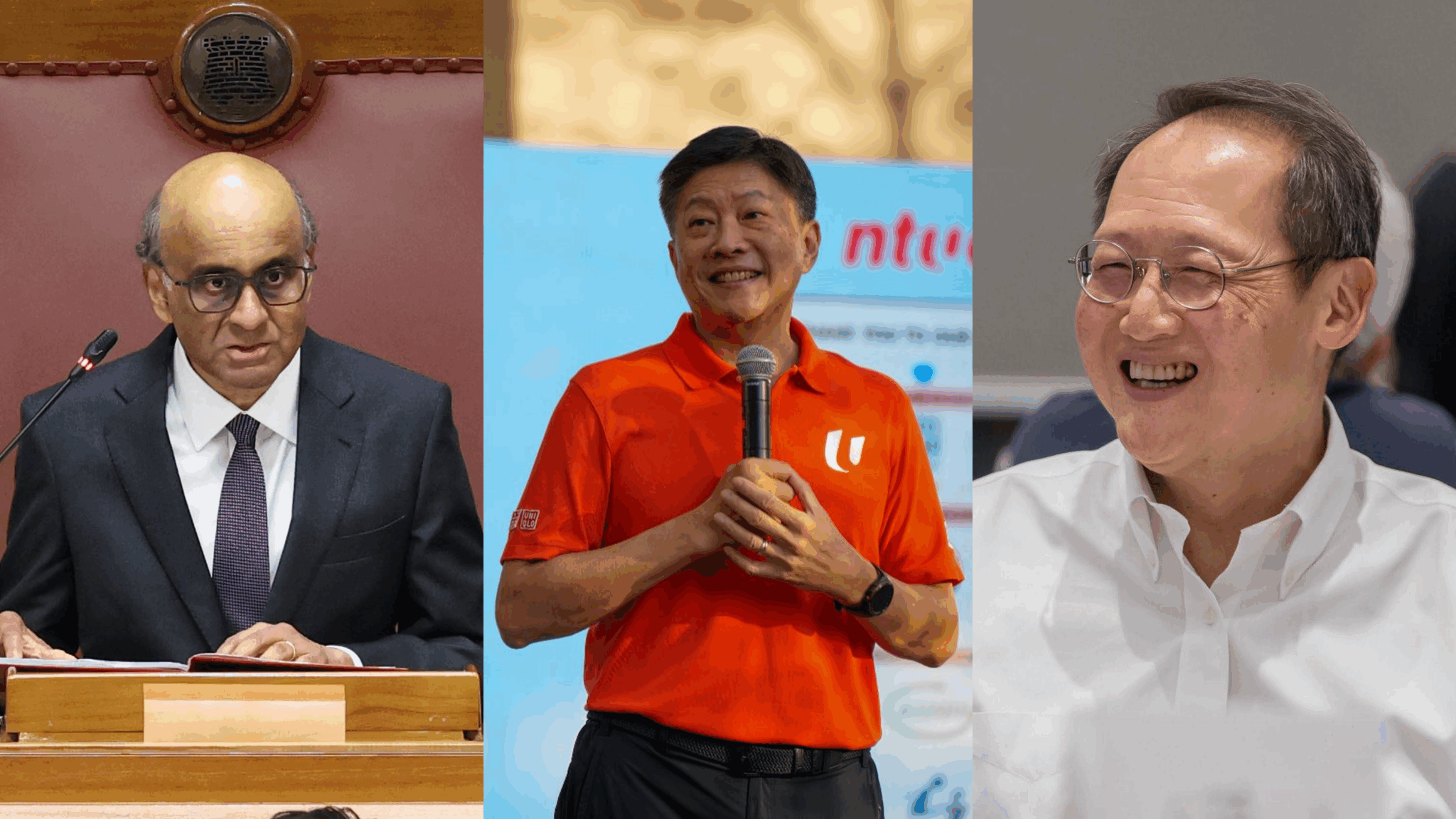
NTUC Secretary-General Ng Chee Meng noted,
“The rise of AI necessitates and plays a key part in driving transformation.”
Urging workers to partner with NTUC and employers in embracing AI, he stressed that NTUC will focus on equipping workers to use technology, rather than replacing them with it.
He assured, “You don’t have to do this alone; NTUC will be by your side for business transformation and worker upgrade.”
The CTC Grant was first launched in 2019 with $100 million in government funding. Earlier this year, Prime Minister Lawrence Wong announced another $200 million top-up to help more firms accelerate business and workforce transformation.
Fairer and Safer Workplaces
MOM also emphasised the need to strengthen fairness and inclusivity at work. The Workplace Fairness Act (WFA) is now in place to protect workers from discrimination. This was the result of years of advocacy by NTUC, especially its Assistant Secretary-General Patrick Tay, who has pushed for stronger anti-discrimination laws for more than a decade.
The Platform Workers Act was also highlighted. This law, which provides better protection for delivery riders and private-hire drivers, stems from more than a decade of NTUC’s advocacy. NTUC’s efforts began even before the National Taxi Association (NTA) was formed in 2010, and later, the formation of the National Private Hire Vehicles Association (NPHVA) in 2016 and the National Delivery Champions Association (NDCA) in 2020. These efforts gave platform workers a collective voice and laid the foundation for today’s legislation.
MOM also further reaffirmed its commitment to uplifting lower-wage workers through the Progressive Wage Model (PWM). This was another idea first pushed by NTUC to ensure wages rise, together with skills. The PWM has already uplifted workers in cleaning, security, and retail, and NTUC continues to push for expansion into more sectors.
Another key measure is the SkillsFuture Jobseeker Support scheme, which provides training allowances, guidance, and employment facilitation for workers who lose their jobs. This scheme reflects Labour MP Patrick Tay’s repeated calls in and out of Parliament for more than a decade for some form of unemployment support to help displaced workers through transitions.
Other measures include stronger workplace safety standards, updates to the Employment Act to keep pace with new forms of work, and continued support for upskilling through Workfare Skills Support.
Ensuring No Worker Gets Left Behind
From the Workplace Fairness Act and the Platform Workers Act to the Progressive Wage Model and the SkillsFuture Jobseeker Support scheme, many of these measures are the direct result of NTUC’s long-standing advocacy.
As Singapore prepares for an AI-driven future, NTUC’s sustained efforts, together with MOM, will help ensure that no worker is left behind.