
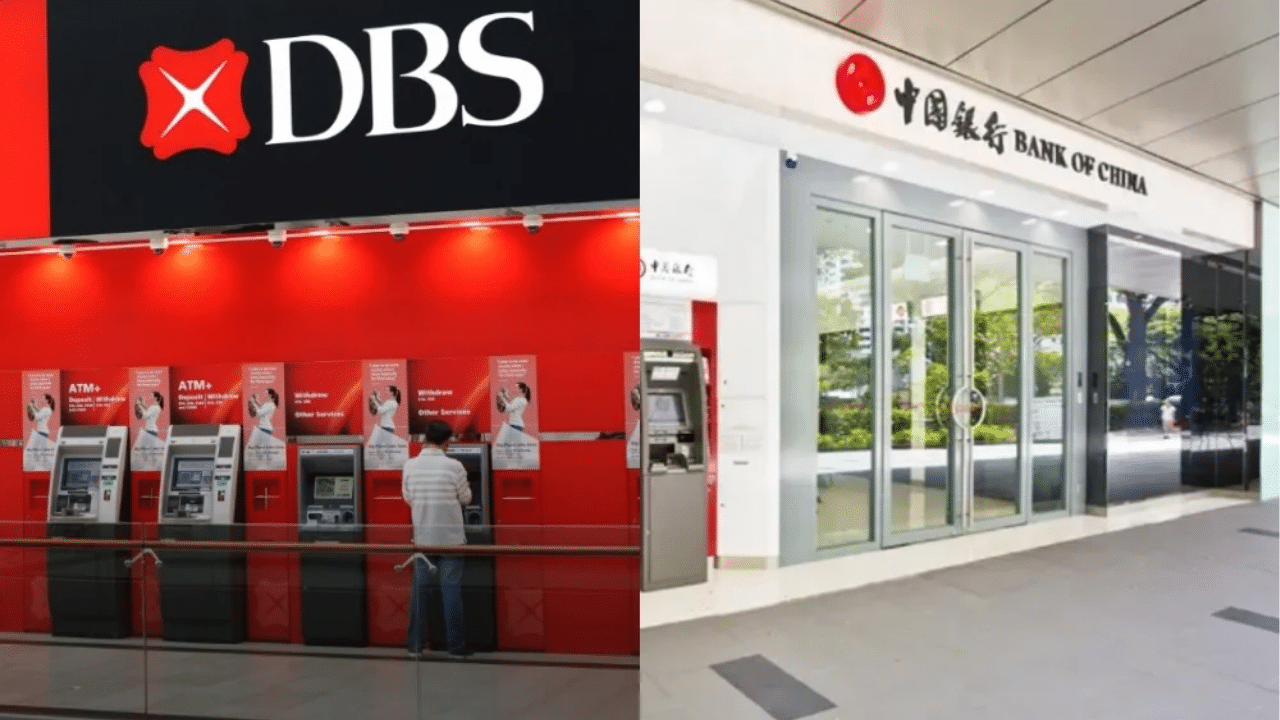
The ransomware attack on a printing vendor has resulted in the extraction of customer information from DBS and Bank of China, Singapore. According to the report by Toppan Next Tech (TNT) to the Personal Data Protection Commission, the Cyber Security Agency of Singapore (CSA), and the Monetary Authority of Singapore (MAS), “The attack has led to customer information from DBS Bank and Bank of China Limited, Singapore branch, being extracted by the threat actor. No customer log-in information has been compromised.”
DBS revealed that approximately 8,200 customer statements/letters were potentially compromised in the incident. The majority of these documents were related to DBS Vickers accounts, with the remainder comprising mainly Cashline loan accounts. The bank assured customers that their deposits and funds remained secure, with no evidence of unauthorized transactions resulting from the breach.
DBS emphasized that the compromised statements and letters sent to individual customers were dated December 2024, January 2025, and February 2025. The potentially compromised customer data included first and last names, postal addresses, as well as information on equities held under DBS Vickers and Cashline loans. DBS clarified that the compromised documents did not contain sensitive details such as login credentials, passwords, NRIC information, deposit balances, or total wealth holdings.
DBS took immediate action by halting all printing jobs with TNT upon notification of the incident. Lim Him Chuan, DBS Singapore’s country head, emphasized the importance of customer data confidentiality, stating, “To protect customers, we have halted all printing jobs with TNT and ramped up surveillance.”
The Cyber Security Agency (CSA) is collaborating with TNT in its investigations and guiding containment strategies. MAS is working closely with the affected banks to enhance risk-mitigating measures and follow up with affected customers. Additionally, the CSA recommended organizations refer to the agency’s advisory for preventive measures against ransomware threats.
Lastly, DBS advised customers to remain vigilant against scams, especially phishing attempts via email and SMS. Customers were urged not to respond to unsolicited correspondences containing links or personal information requests. If any customers suspect they have been scammed, they should contact DBS immediately and activate the bank’s Safety Switch feature to block access to their funds.